Our Recent Article
No items found.
Learn when businesses need music licences for Instagram and TikTok. Avoid copyright infringement and protect your brand with proper commercial music use.
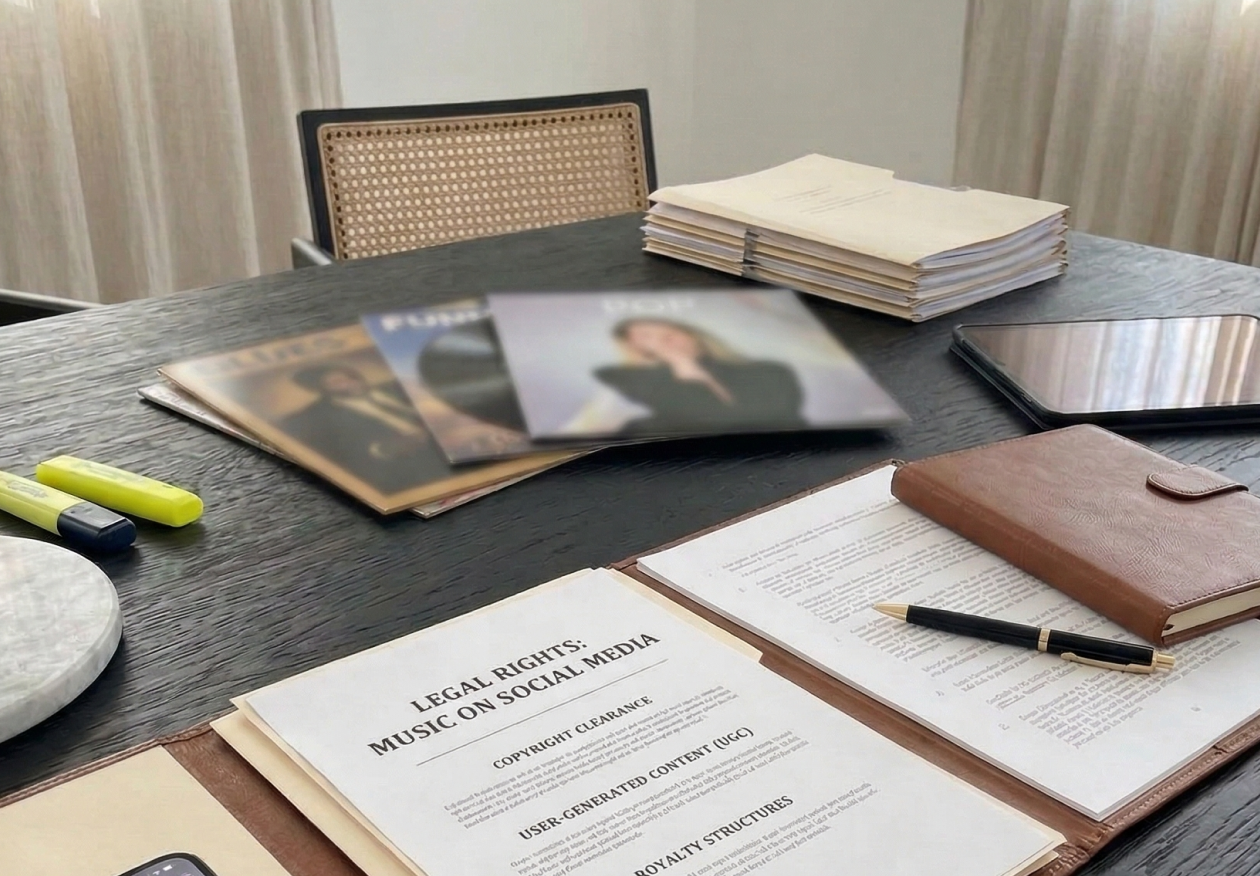
In today’s content-driven world, music has become an essential part of brand storytelling. Whether it’s an interior design reveal, a fashion campaign, or a behind-the-scenes clip, the right track can elevate a post instantly.
But from a legal perspective, there’s a line that businesses cannot afford to overlook.
In short: any commercial use of music on social media must be licensed.
If your business is using music on platforms like Instagram or TikTok to promote services, build a brand, or generate revenue—even indirectly—you are no longer in the realm of personal use. That distinction matters.
Using a popular track (for example, a chart-topping song by an artist like Bad Bunny) requires permission from:
Without these licences, the use is unauthorized and constitutes copyright infringement.
This is one of the most common misconceptions around Instagram copyright and business use of music.
While platforms like Instagram and TikTok provide access to extensive music libraries, those licences are generally structured for personal, non-commercial use. Businesses using personal accounts—or even business accounts incorrectly—often assume they are covered when they are not.
The result? Exposure to claims for infringement, including takedowns, account restrictions, and in some cases, financial liability.
Historically, many businesses operated under the radar. That is changing quickly.
Advancements in content recognition technology now allow rights holders to detect unauthorized commercial use of music on social media at scale, and to enforce their rights more consistently.
As a result, we are seeing a noticeable increase in enforcement activity—particularly against brands and commercial accounts.
For businesses, the takeaway is straightforward: if content supports your brand, it should be treated as part of your business.
That means using music that is properly cleared—whether through platform-approved commercial music libraries, licensed stock music, or direct music licensing for business use.
This isn’t about limiting creativity. It’s about ensuring that your content strategy aligns with intellectual property law—and that your brand is protected as it grows.
If you’re creating content, building a brand, or unsure whether your current use of music is compliant, we can help you navigate music licensing and copyright compliance with clarity.
Modera Law advises creators, brands, and growing businesses on the legal and strategic decisions that protect their content and support long-term growth. Feel free to reach out to discuss your current practices or upcoming projects.
The contents of this article should not be construed as legal advice. Please contact Zainab Al-Salihi at Modera Law for any further questions.
.svg)